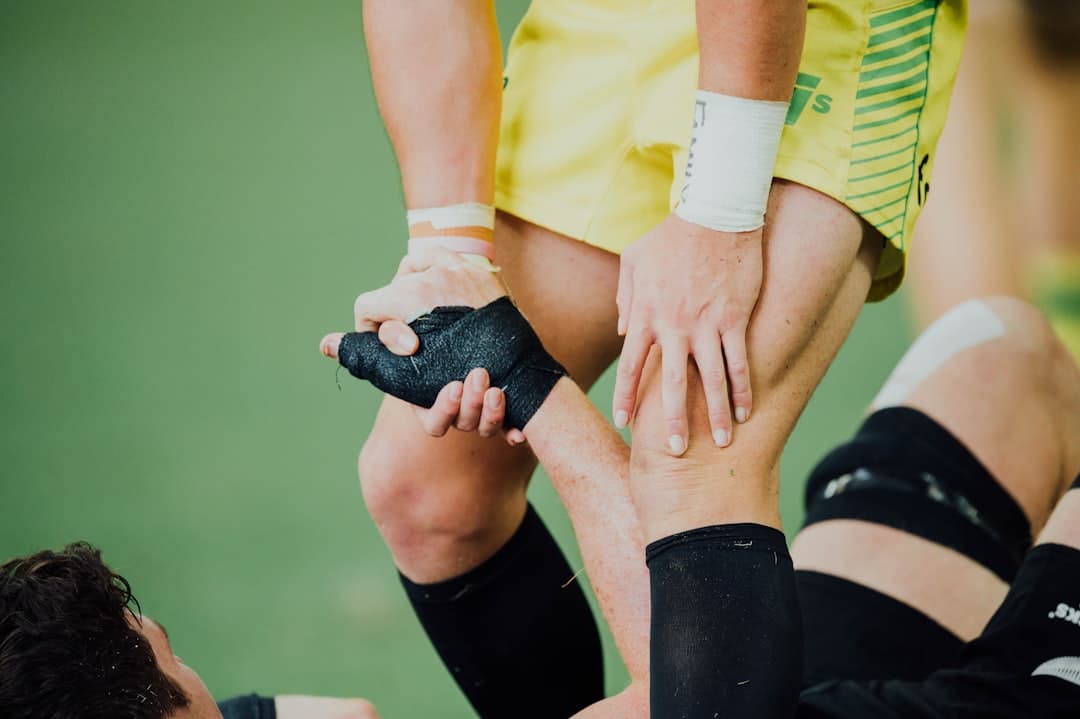
What Is the H2F Program and Where Do Athletic Trainers Fit In?
An H2F athletic trainer is an embedded healthcare professional within the U.S. Army's Holistic Health and Fitness program who provides daily musculoskeletal injury prevention, acute care, rehabilitation, and return-to-duty assessments for soldiers at the brigade level, working alongside strength coaches, dietitians, physical therapists, and mental performance specialists.
If you are a certified athletic trainer considering a career in military healthcare, understanding exactly what this role looks like on the ground — not just on paper — is essential before you apply.
Brief Overview of the Army's Holistic Health and Fitness System
The Holistic Health and Fitness (H2F) system was codified in Army regulation FM 7-22, published in October 2020. It represents the Army's most comprehensive approach to soldier readiness, moving beyond traditional physical training to address the complete performance picture. The Army invested over $40 million annually in H2F program expansion as of FY2023, with the goal of embedding H2F Performance Teams in all 110-plus brigade-level units by FY2030.
Each H2F Performance Team is designed to serve approximately 3,000 to 5,000 service members within a brigade, making this one of the largest integrated human performance initiatives in the world.
The Five Domains of H2F: Physical, Nutritional, Mental, Spiritual, and Sleep
The H2F system organizes soldier readiness across five interconnected domains:
- Physical — Strength, endurance, mobility, and injury resilience
- Nutritional — Fueling strategies for performance and recovery
- Mental — Cognitive performance, mental toughness, and psychological health
- Spiritual — Purpose, identity, and connection
- Sleep — Recovery optimization and fatigue management
As an athletic trainer within this system, your work primarily anchors in the physical domain but intersects meaningfully with all five — particularly nutrition, sleep, and mental readiness as they affect injury risk and recovery timelines.
The Athletic Trainer's Role Within the H2F Performance Team
Each H2F Performance Team typically includes one to two athletic trainers alongside strength and conditioning coaches, physical therapists, registered dietitians, occupational therapists, and cognitive performance specialists. Your role as the athletic trainer is distinct: you serve as the frontline musculoskeletal injury expert embedded directly with the unit, not stationed in a remote clinic.
This embedded model is what makes H2F athletic trainer responsibilities fundamentally different from most civilian positions. You go where the service members train, operate, and deploy.
A Typical Day as an H2F Athletic Trainer: Hour-by-Hour Breakdown
One of the most persistent content gaps in career resources for this role is a realistic picture of daily workflow. While no two days are identical — and garrison schedules differ significantly from field exercises — the following represents a typical garrison training day.
Early Morning: Physical Readiness Training (PRT) Support and Injury Surveillance
0545–0730
Your day begins before most civilian clinics open. You report to the unit's physical readiness training area to observe training, provide sideline coverage, and conduct real-time movement surveillance. This is not passive observation. You are actively scanning for compensatory movement patterns, flagging service members who show signs of overuse or acute distress, and performing rapid assessments on anyone who reports pain or dysfunction during training.
During this window, you may also assist strength and conditioning coaches by providing input on modifying exercises for service members returning from injury or managing chronic conditions.
Mid-Morning: Injury Evaluations, Triage, and Acute Care
0730–1130
After PRT, you transition to your primary clinical work. Service members present with acute injuries from training, chronic overuse complaints, and follow-up concerns from previous evaluations. Your responsibilities during this block include:
- Conducting orthopedic special tests and clinical evaluations
- Performing triage to determine whether a service member needs immediate physician referral, physical therapy, or can be managed within your scope of practice
- Applying therapeutic interventions such as manual therapy, taping, bracing, and therapeutic modalities
- Administering the Military Acute Concussion Evaluation (MACE) for suspected concussive events
- Documenting each encounter thoroughly in the appropriate medical record system
This mid-morning period often represents the highest patient volume of your day.
Afternoon: Rehabilitation Sessions, Return-to-Duty Assessments, and Preventive Screenings
1200–1530
Afternoon hours shift toward scheduled rehabilitation sessions and proactive injury prevention work. You run individualized therapeutic exercise programs for service members recovering from musculoskeletal injuries, conduct return-to-duty assessments using functional movement criteria, and perform preventive screenings such as Functional Movement Screens (FMS) or unit-wide musculoskeletal injury (MSKI) risk assessments.
This is also when you may conduct educational sessions for platoons or companies — briefing service members on topics such as load carriage biomechanics, warm-up protocols, or self-care strategies for common overuse injuries.
End of Day: Documentation, Data Entry, and Team Coordination Meetings
1530–1700
The final portion of your day is dedicated to administrative and collaborative responsibilities. You complete clinical documentation, enter injury surveillance data into tracking systems, and prepare reports for unit leadership on MSKI trends across the brigade. Weekly or biweekly, you participate in interdisciplinary team meetings with the full H2F Performance Team to discuss complex cases, adjust treatment plans, and align on upcoming training cycle demands.
If you are transitioning from a civilian athletic training role, expect to spend more time on documentation and data reporting than you may be accustomed to. Injury surveillance data directly informs command decisions about training modifications, making your record-keeping a critical part of readiness — not just a clinical formality.
Core Daily Responsibilities of an H2F Athletic Trainer
Beyond the hour-by-hour flow, H2F athletic trainer responsibilities cluster around six core areas that define the scope of your practice every day.
Musculoskeletal Injury Prevention and Screening Programs
Musculoskeletal injuries account for approximately 60 to 65 percent of all medical encounters in the Army and represent the number one cause of limited duty days. Your role in prevention is arguably the most strategically valuable aspect of the position. You design and implement screening programs that identify at-risk service members before injuries sideline them, using tools such as the FMS, Y-Balance Test, and unit-specific occupational demand analyses.
In pilot programs at Fort Bragg and Joint Base Lewis-McChord, units with embedded H2F teams showed up to a 25 to 30 percent reduction in MSKI-related lost duty days — evidence that this prevention-first model delivers measurable results.
Acute Injury Evaluation and On-Field/On-Site Emergency Care
When injuries occur during training, ruck marches, or Army Combat Fitness Test (ACFT) events, you are the first qualified healthcare professional on site. You evaluate acute musculoskeletal and orthopedic injuries, stabilize fractures and dislocations, manage soft tissue injuries, and make disposition decisions about whether a service member can continue training, needs rest, or requires emergency transport.
Individualized Rehabilitation and Therapeutic Exercise Programs
You develop and supervise progressive rehabilitation programs tailored to each service member's injury, occupational demands, and readiness timeline. These programs blend traditional athletic training rehabilitation principles with functional exercises specific to military tasks — rucking, casualty carries, obstacle negotiation, and weapon manipulation.
ACFT Preparation Support and Movement Assessments
The ACFT is the Army's primary fitness assessment, and poor movement quality during its six events frequently results in injury. You conduct pre-ACFT movement assessments, identify mobility or stability deficits that increase injury risk, and provide corrective exercise recommendations to service members and their leadership.
Concussion Evaluation and Management Using MACE Protocols
Concussive events occur during combatives training, airborne operations, live-fire exercises, and field training. You are trained and expected to administer the Military Acute Concussion Evaluation (MACE) and other standardized assessment tools, manage initial concussion care, and coordinate return-to-duty progression in collaboration with the unit physician and physical therapist.
Injury Surveillance Data Collection and Reporting
You are responsible for tracking every injury encounter, documenting mechanism of injury, body region, severity, and disposition. This data feeds into brigade-level and installation-level reporting systems that inform command decisions about training load management, equipment procurement, and resource allocation. Accurate, consistent injury surveillance is a non-negotiable component of the role.
Ready to Take the Next Step?
Join our team and make a meaningful impact on military readiness while advancing your athletic training career.
Explore H2F positions at Fort Bragg➜Working Within the Interdisciplinary H2F Performance Team
The interdisciplinary team dynamic is one of the defining features of H2F — and one of the most rewarding aspects of the role for athletic trainers who thrive in collaborative environments.
Collaborating with Strength and Conditioning Coaches
Your closest daily collaboration will likely be with the strength and conditioning coach. You share information about injury status, movement limitations, and return-to-activity progressions so that training programs can be modified in real time. This relationship requires clear communication about scope — you manage the injury, the strength coach manages the training program, and together you ensure seamless transitions.
Coordinating Care with Physical Therapists and Physicians
Physical therapists on the H2F team handle more complex clinical rehabilitation cases, post-surgical recovery, and conditions requiring advanced manual therapy or diagnostic workup. Your role is to manage the higher-volume, lower-acuity caseload, refer appropriately, and co-manage cases where rehabilitation overlaps between your scopes. Physician coordination ensures that service members needing imaging, specialist referral, or medical profiling receive timely care.
Partnering with Dietitians, Psychologists, and Sleep Specialists
Injury recovery is never purely physical. You may identify that a service member's recurring stress fractures correlate with poor nutritional habits or that a slow rehabilitation timeline is driven by sleep deprivation or psychological stress. Flagging these concerns and connecting service members with the appropriate domain specialist is a core part of your interdisciplinary responsibility.
Communicating with Unit Leadership and Command Teams
Unlike civilian athletic training settings, your "coaching staff" equivalent is military command — company commanders, first sergeants, and battalion leadership. You provide regular updates on unit injury trends, recommend training modifications, and advocate for evidence-based injury prevention strategies. This requires translating clinical language into operationally relevant terms that command teams can act on.
Patriot Support Inc. (PSI) places certified athletic trainers into H2F Performance Teams at installations across the country, providing the administrative support, onboarding guidance, and professional community that help you focus on what matters: keeping service members ready and resilient.
How H2F Athletic Training Differs from Civilian Sports Medicine
Tactical Athletes vs. Traditional Sport Athletes: Key Differences
The service members you work with are not training for a season or a championship. They are training for sustained operational readiness across a career that demands carrying heavy loads over uneven terrain, performing under sleep deprivation, operating in extreme heat and cold, and maintaining cognitive function under life-threatening stress. Injuries present differently, recovery timelines carry different urgency, and "return to play" means return to a duty that may involve combat.
The Embedded Model: Working at the Brigade Level, Not a Clinic
In most civilian roles, athletes come to you. In H2F, you go to them. You are physically located within the brigade footprint — at motor pools, training fields, ranges, and gyms — rather than waiting in a centralized clinic. This embedded model means you see injuries in context, understand the physical demands creating those injuries, and build trust with service members in their own environment.
Unique Environmental and Operational Challenges
Field exercises, live-fire training events, and deployment preparation cycles create work environments that no civilian athletic training room can replicate. You may provide care from the back of a vehicle, triage multiple injuries during a high-tempo training event, or adapt your rehabilitation programming to limited equipment in austere conditions.
Military-Specific Documentation and Chain-of-Command Dynamics
Clinical documentation in the military healthcare system follows specific protocols and feeds into readiness reporting systems. You also navigate chain-of-command dynamics — understanding that a service member's availability for duty has unit-wide implications and that communication with leadership must balance clinical accuracy with operational sensitivity.
Skills and Qualifications Needed to Succeed in H2F
Required Certifications: BOC, State Licensure, and CPR/AED
All H2F athletic trainer positions require Board of Certification (BOC) certification and valid state licensure. Current CPR/AED certification is mandatory. These are baseline requirements with no exceptions.
Preferred Experience and Education
Many H2F positions prefer or require a master's degree in athletic training or a related field. Experience working with tactical populations — military, law enforcement, fire/rescue — is highly valued, as is familiarity with occupational health frameworks and injury surveillance systems. Candidates with prior experience in high-volume, autonomous clinical decision-making environments tend to transition most effectively into the embedded H2F model.
Soft Skills: Adaptability, Communication, and Cultural Competency
Technical competence alone does not determine success in this role. You need the adaptability to shift from a structured garrison schedule to an unpredictable field environment, the communication skills to brief a battalion commander as effectively as you counsel an individual service member, and the cultural competency to earn trust within a military community with its own norms, language, and expectations.
Before applying, invest time in understanding basic military rank structure, unit organization, and common Army acronyms. This preparation signals cultural competency during interviews and accelerates your effectiveness once embedded with a unit.
How Daily Responsibilities Change Across the Training Cycle
Garrison Training Phase Duties
During garrison — the standard, installation-based training phase — your daily schedule most closely resembles the hour-by-hour breakdown described above. Patient volume is steady, rehabilitation sessions are scheduled consistently, and you have reliable access to equipment, facilities, and your interdisciplinary team. This phase offers the most opportunity for proactive screening programs and educational initiatives.
Pre-Deployment and Field Exercise Responsibilities
As a unit prepares for deployment or conducts multi-day field training exercises, your caseload and work environment shift significantly. Training intensity increases, injury rates rise, and you may be forward-deployed to training areas with limited resources. Your focus shifts toward acute care readiness, rapid triage, and ensuring that injury management does not impede the unit's training objectives.
High-OPTEMPO Periods and Increased Injury Volume Management
During high operational tempo (OPTEMPO) periods, the demand on your clinical judgment intensifies. You manage a higher volume of acute presentations, make more frequent disposition decisions, and coordinate closely with physical therapists and physicians to ensure that no service member falls through the cracks. Time management and prioritization become critical skills during these phases.
Career Growth and Professional Development as an H2F Athletic Trainer
Advancement Opportunities Within the H2F System
The H2F system is still scaling, which means opportunities for advancement are emerging alongside the program's growth. Experienced athletic trainers may move into lead athletic trainer positions overseeing multiple brigades, program management roles at the installation level, or advisory positions supporting H2F policy development.
Continuing Education and Military-Specific Certifications
Many H2F athletic trainers pursue additional credentials that enhance their effectiveness in the tactical setting, such as the Certified Strength and Conditioning Specialist (CSCS), Tactical Strength and Conditioning Facilitator (TSAC-F), or Performance Enhancement Specialist (PES) certifications. Contractors like PSI may support continuing education opportunities as part of their employment packages.
Transitioning from H2F to Other Military or Federal Healthcare Roles
Experience in the H2F system positions you for a range of career moves within military and federal healthcare, including roles with Special Operations units, Veterans Affairs medical centers, Department of Defense research programs, and federal law enforcement agencies. The clinical volume, interdisciplinary experience, and operational exposure you gain are difficult to replicate in civilian practice.
Ready to Take the Next Step?
Join our team and make a meaningful impact on military readiness while advancing your athletic training career.
Explore H2F positions at Joint Base Lewis-McChord➜How to Apply for H2F Athletic Trainer Positions
Understanding Contractor vs. Government Employee Roles
The majority of H2F athletic trainer positions are filled through government contractors rather than direct federal employment. This means your employer is typically a defense contracting company — such as Patriot Support Inc. (PSI) — while your daily work is performed on an Army installation under the direction of the H2F program. Your contractor employer manages your salary, benefits, onboarding, and HR support, while the Army defines your clinical scope and daily tasking.
This distinction affects your benefits structure, job security framework, and administrative chain. Understanding it before you apply prevents confusion and helps you evaluate offers accurately.
Where to Find Open H2F Athletic Trainer Positions
Open positions are posted through contractor career portals, defense job boards, and specialized healthcare recruitment sites. PSI maintains current H2F athletic trainer listings on its career page and can match your qualifications and location preferences to available openings across Army installations nationwide.
Tips for Standing Out in the H2F Hiring Process
Hiring managers for H2F positions look beyond BOC certification and clinical competence. To differentiate yourself:
- Highlight tactical population experience if you have it, even if it was informal or volunteer-based
- Demonstrate knowledge of the H2F system in your cover letter by referencing FM 7-22 and the five-domain framework
- Emphasize your ability to work autonomously — the embedded model requires independent clinical decision-making without constant physician oversight
- Showcase interdisciplinary collaboration experience from any setting where you worked within a multidisciplinary team
- Tailor your resume to reflect injury prevention program design and data-driven outcomes, not just treatment encounters
Review your state licensure reciprocity early in the application process. H2F positions may be located in states where your current license does not automatically transfer, and resolving licensure issues proactively demonstrates professionalism and readiness.
Frequently Asked Questions
Frequently Asked Questions
Ready to Serve? Start Your Military Healthcare Career
Join our team and make a difference serving in Army H2F and Marine Corps SMIP programs across the United States.
Apply Now➜