Athletic Trainer Jobs at Fort Riley, Kansas: Complete Guide
Fort Riley, home to the Army's 1st Infantry Division, is one of the most active hiring locations for certified athletic trainers in the military healthcare system. Positions are available through government contracts (the most common pathway) and the Army's Holistic Health and Fitness (H2F) program. Most roles require BOC certification, Kansas state licensure, and eligibility for a security clearance. For athletic trainers seeking meaningful, mission-driven work with tactical athletes, Fort Riley represents one of the strongest opportunities in the defense health landscape.
This guide covers everything you need to know — from the types of positions available, to the qualifications required, what daily work looks like, and how to navigate the application process.
Why Fort Riley, Kansas Is a Top Destination for Athletic Trainers
Overview of Fort Riley and the 1st Infantry Division
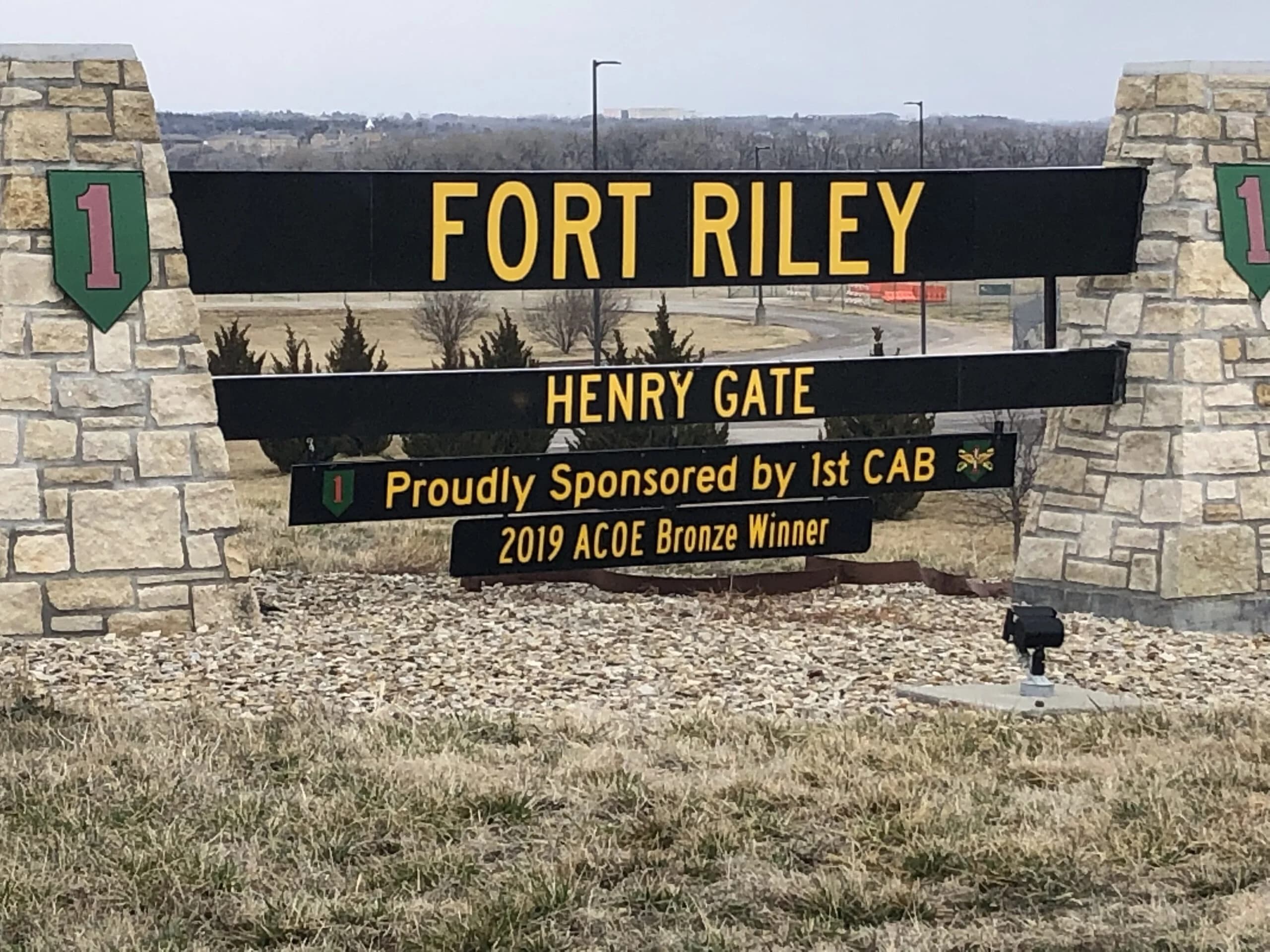
Fort Riley spans approximately 100,000 acres in the Flint Hills region of northeast Kansas, situated between the communities of Junction City and Manhattan. The installation is the home station of the 1st Infantry Division, known as the "Big Red One," one of the most storied and most deployed divisions in the United States Army. With approximately 15,000 to 18,000 active-duty service members assigned to the post at any given time, Fort Riley generates a substantial and consistent demand for healthcare professionals, including athletic trainers.
The high operational tempo of the 1st Infantry Division means that service members are regularly engaged in intense physical training, field exercises, and deployment preparation cycles. This creates a steady caseload of musculoskeletal injuries, movement dysfunctions, and performance optimization needs — precisely the type of work that defines athletic training practice.
The Army's Growing Investment in Athletic Trainer Roles
Over the past several years, the Department of Defense has significantly expanded its investment in human performance optimization. The Army, in particular, has recognized that preventing injuries and improving physical readiness among service members is not only a health priority but a force readiness imperative. Athletic trainers have emerged as essential members of the military healthcare workforce, embedded directly within operational units rather than confined to traditional clinical settings.
Fort Riley, as one of the Army's largest and most active installations, has been at the forefront of this expansion. The number of athletic trainer positions on post has grown steadily, and the installation remains a priority site for new hires.
How the H2F Program Is Transforming Military Athletic Training
The Holistic Health and Fitness (H2F) program, fully funded since 2020, represents the most significant structural change to how the Army approaches soldier readiness. H2F embeds interdisciplinary performance teams directly into Brigade Combat Teams, placing athletic trainers alongside strength and conditioning coaches, physical therapists, registered dietitians, occupational therapists, and cognitive performance specialists.
Each H2F performance team typically includes two to three athletic trainers per brigade. Given that Fort Riley supports multiple brigade-sized elements under the 1st Infantry Division, the installation can sustain six to twelve or more athletic trainer positions through the H2F program alone. These roles place you at the point of need — working in unit physical training areas, field environments, and tactical settings rather than waiting for patients in a clinic.
The H2F model has fundamentally changed the career landscape for athletic trainers interested in military healthcare. It offers a level of professional autonomy, interdisciplinary collaboration, and mission impact that few civilian sports medicine settings can match.
Types of Athletic Trainer Positions Available at Fort Riley
Understanding the different employment structures at Fort Riley is critical for making an informed career decision. The position type affects your benefits, hiring timeline, and day-to-day experience.
Government Contractor Athletic Trainer Positions (Most Common)
The majority of athletic trainer positions at Fort Riley are filled through government contracts. In this model, a private company holds a contract with the Department of Defense to provide healthcare personnel at the installation. You are employed by the contracting company — not the federal government — but your work is performed on the military installation and directed by the program's requirements.
Contractor positions typically offer the fastest hiring timeline and the most available openings. PSI is one of the organizations that connects qualified athletic trainers with these contract opportunities at military installations.
H2F Performance Team Athletic Trainer Roles
H2F athletic trainer positions at Fort Riley are structured as contractor roles. The work is defined by the H2F program model: direct integration with a Brigade Combat Team, daily interaction with service members in their training environment, and collaboration with a multidisciplinary performance team.
These are among the most sought-after athletic trainer positions in military healthcare due to the scope of practice, the team-based model, and the direct impact on unit readiness.
Ready to Take the Next Step?
Join our team and make a meaningful impact on military readiness while advancing your athletic training career.
Explore H2F positions at Fort Riley➜Irwin Army Community Hospital Sports Medicine Opportunities
Fort Riley's Irwin Army Community Hospital offers additional athletic training opportunities within its outpatient orthopedic and sports medicine clinics. These clinic-based roles follow a more traditional healthcare model, with scheduled patient appointments, documentation requirements consistent with military treatment facility standards, and close collaboration with orthopedic surgeons and physical therapists. For athletic trainers who prefer a clinical setting, these positions provide a different but equally valuable career pathway.
| Position Type | Employer | Hiring Speed | Availability | |---|---|---|---| | Government Contractor | Private company (e.g., PSI) | Fast (often within 1-2 weeks) | Most common | | H2F (Contractor) | Private company (e.g., PSI) | Fast (often within 1-2 weeks) | Growing rapidly | | Hospital-Based | Varies | Moderate | Occasional |
Qualifications and Requirements for Fort Riley AT Jobs
BOC Certification and Education Requirements
All athletic trainer positions at Fort Riley require current certification from the Board of Certification (BOC). This is non-negotiable across contractor and H2F roles. You must also hold a minimum of a master's degree from a CAATE-accredited athletic training program, consistent with the current professional standards. Some legacy positions may accept a bachelor's degree if you were certified under previous educational requirements, but the master's degree is increasingly the baseline expectation for new hires.
Kansas State Athletic Trainer Licensure
Kansas requires athletic trainers to hold state licensure through the Kansas Board of Healing Arts. If you are relocating from another state, you will need to apply for Kansas licensure before beginning practice. Kansas does not participate in the Athletic Trainer Licensure Compact as of this writing, so a separate state application is required.
Begin the Kansas licensure application process as soon as you receive a conditional job offer. The Kansas Board of Healing Arts licensure process can take several weeks, and having your license in hand before your start date prevents delays. Visit the Board's website for current application forms, fees, and processing timelines.
Security Clearance and Background Check Process
Working on a military installation requires a background investigation. For most athletic trainer positions at Fort Riley, the required investigation is a National Agency Check with Inquiries (NACI) or equivalent, which is the baseline level for access to a military installation and Department of Defense information systems. This is not a full security clearance in the classified sense, but it is a formal federal background check.
For H2F positions filled through PSI, candidates can typically begin work while the investigation is still in process — meaning onboarding can happen quickly, often within two weeks of an offer. You must be a U.S. citizen for all positions.
Military Installation Credentialing and Privileging
Beyond licensure and background checks, athletic trainers working within military treatment facilities or under clinical protocols at Fort Riley must complete a credentialing and privileging process. This is the military's internal verification of your qualifications and scope of practice. It involves submitting your education records, licensure documentation, BOC certification, malpractice history, and professional references for review by the installation's credentialing office.
The credentialing timeline varies but generally adds two to four weeks to the onboarding process. Your employer will guide you through the required steps.
Preferred Experience: Tactical and Occupational Athletic Training
While not always a strict requirement, experience with tactical or occupational athlete populations strengthens your candidacy significantly. Hiring managers and contracting officers at Fort Riley value candidates who understand the unique demands placed on service members, including load carriage, repetitive high-impact training, and the need to return individuals to duty rather than simply to sport.
Experience in settings such as fire and rescue, law enforcement, other military installations, or occupational health clinics translates directly. If your background is primarily in collegiate or high school athletics, consider how to articulate the transferable skills — injury assessment in field conditions, autonomous clinical decision-making, and working within a team-based healthcare model.
Cost of Living Advantage in the Junction City-Manhattan Area
One of the most compelling aspects of working at Fort Riley is the cost of living. The Junction City and Manhattan, Kansas, area runs approximately 15 to 20 percent below the national average for housing, groceries, transportation, and utilities. Housing costs, in particular, are dramatically lower than what athletic trainers experience in coastal cities or major metro areas.
PSI connects certified athletic trainers with meaningful careers in military healthcare across installations like Fort Riley. Through its role supporting Department of Defense contracts, PSI helps professionals navigate the application, credentialing, and onboarding process — from initial interest through your first day on the installation.
What It's Like to Work as an Athletic Trainer at Fort Riley
A Day in the Life: Embedded with Tactical Athletes
If you are working in an H2F or unit-embedded role, your day begins early — often at 0600 or before, aligning with the unit's physical training schedule. A typical morning may include conducting movement screens, providing on-field injury assessments during physical training, and applying taping or bracing for service members managing musculoskeletal conditions.
Midday often shifts to scheduled evaluations, treatment sessions, and follow-up care in your designated workspace, which may be a dedicated H2F facility or a modified space within the unit's footprint. Afternoons may involve educational sessions on injury prevention, coordination with physical therapists and strength coaches on return-to-duty protocols, and documentation.
The patient population is unlike any other in athletic training. These are tactical athletes whose job performance directly affects national security. The injuries are familiar — ankle sprains, low back pain, shoulder impingement, stress reactions — but the context is different. Return-to-duty timelines are driven by training cycles, deployment schedules, and mission requirements.
Working with the Soldier Performance Readiness Center
Fort Riley's Soldier Performance Readiness Center serves as a hub for human performance optimization resources. Athletic trainers working in or with the center collaborate with a broad team of professionals focused on maximizing service member readiness across physical, nutritional, and cognitive domains.
Collaboration with Physical Therapists, Dietitians, and Strength Coaches
The H2F model is built on interdisciplinary collaboration. As an athletic trainer at Fort Riley, you work daily alongside physical therapists, strength and conditioning coaches, registered dietitians, cognitive performance specialists, and occupational therapists. This team-based approach mirrors the best practices in professional sports performance but applies them to the demands of military service.
For athletic trainers who value professional growth, this environment provides constant learning opportunities. You sharpen your clinical skills through daily interaction with physical therapists, expand your understanding of performance nutrition through collaboration with dietitians, and refine your programming knowledge through partnership with strength coaches.
Unique Challenges of Military Athletic Training
Working at Fort Riley comes with challenges distinct from civilian practice. Service members may be reluctant to report injuries due to concerns about being removed from training or deployment rosters. Unit leadership may have limited familiarity with athletic training scope of practice. Field training exercises may require you to provide care in austere environments without access to your full equipment or facility.
These challenges are real, but they are also what makes the work rewarding. Athletic trainers who thrive in this setting are adaptable, confident in their clinical reasoning, and skilled at building trust with both service members and military leadership.
Ready to Take the Next Step?
Join our team and make a meaningful impact on military readiness while advancing your athletic training career.
Explore H2F positions at Fort Riley➜Living Near Fort Riley: Quality of Life Guide
Junction City vs. Manhattan: Where to Live
The two primary communities near Fort Riley offer distinct living experiences. Junction City sits immediately adjacent to the installation's main gate and offers affordable housing, convenient access to post, and a community closely connected to the military. Manhattan, located about 15 to 20 minutes east of post, is a vibrant college town anchored by Kansas State University. Manhattan offers a wider range of dining, entertainment, and cultural options, along with a more diverse housing market.
Many athletic trainers working at Fort Riley choose Manhattan for its amenities and community atmosphere while accepting the short commute. Others prefer Junction City for its proximity and lower housing costs. Both communities are welcoming to military-affiliated professionals.
On-Post Housing and Amenities for Civilian Employees
While on-post family housing is primarily designated for active-duty service members, civilian employees and contractors at Fort Riley have access to many on-post amenities. These may include the commissary (grocery store with tax-free pricing), the post exchange (PX), fitness centers, dining facilities, and recreational areas. Access to specific amenities depends on your employment status and the installation's current policies, so verify your eligibility during onboarding.
Recreation, Outdoor Activities, and the Flint Hills Region
The Flint Hills are one of the last remaining tallgrass prairie ecosystems in North America. The region offers outstanding opportunities for hiking, fishing, hunting, cycling, and wildlife observation. Milford Lake, the largest lake in Kansas, is located just minutes from Fort Riley and provides boating, fishing, and camping. Tuttle Creek Lake near Manhattan offers similar recreational options.
For those who enjoy an active lifestyle outside of work, the Fort Riley area delivers. The landscape is expansive and uncrowded, the cost of outdoor recreation is low, and the natural beauty of the Flint Hills is genuinely distinctive.
Proximity to Kansas State University and Professional Development
Manhattan's identity as a university town provides tangible professional benefits. Kansas State University's College of Health and Human Sciences offers potential continuing education opportunities, guest lectures, and professional networking. The university community also brings cultural events, athletics, and a broader social infrastructure that enriches life in the area.
For athletic trainers committed to ongoing professional development, proximity to a major research university is a meaningful advantage that is easy to overlook when evaluating a job location.
How to Apply for Athletic Trainer Jobs at Fort Riley
Applying Through PSI and Government Contractors
For contractor positions, which represent the largest share of athletic trainer openings at Fort Riley, the application process typically begins with the contracting organization. PSI maintains current listings for military healthcare positions, including athletic trainer roles at Army installations. Applying through PSI's job portal allows you to be matched with openings that align with your qualifications and interests.
When applying through PSI, you will typically submit a resume, provide copies of your BOC certification and state licensure, and complete an interview process. PSI moves quickly — from application to review, interview, and offer can happen within a single week, with onboarding to follow shortly thereafter. The contractor then manages your credentialing, background investigation initiation, and onboarding coordination with the installation.
When preparing your resume for a military athletic trainer position, emphasize experience with musculoskeletal injury evaluation, autonomous clinical decision-making, and interdisciplinary team collaboration. Use terminology consistent with military healthcare — "return to duty" rather than "return to play," "tactical athletes" rather than "players," and "mission readiness" rather than "game readiness."
Tips for Tailoring Your Resume for Military AT Positions
- Quantify your caseload and outcomes where possible (e.g., "Managed a caseload of 40+ athletes per week" or "Reduced injury recurrence by 25% through preventive screening program").
- Highlight any experience with movement screening protocols such as the FMS, SFMA, or Y-Balance Test.
- Include continuing education relevant to tactical or occupational populations.
- If you hold additional certifications (CSCS, CES, PES, dry needling), list them prominently.
- Reference any experience working within electronic health record systems, as military treatment facilities use systems like AHLTA and MHS GENESIS.
Timeline: From Application to Start Date
The overall timeline from submitting an application to your first day at Fort Riley is faster than many candidates expect:
- Contractor positions through PSI: Application, interview, and offer can be completed within one week. Onboarding can happen shortly thereafter, and for H2F positions, candidates can begin work while the background investigation is still in process. Kansas licensure timeline is the most common variable that can affect your start date, so beginning that process early is strongly recommended.
Ready to Take the Next Step?
Join our team and make a meaningful impact on military readiness while advancing your athletic training career.
Explore H2F positions at Fort Riley➜Frequently Asked Questions About Fort Riley Athletic Trainer Jobs
Frequently Asked Questions
Take the Next Step Toward Fort Riley
Fort Riley offers athletic trainers a rare combination: meaningful work with tactical athletes, a low cost of living, interdisciplinary collaboration within the H2F model, and a clear pathway for professional growth. The 1st Infantry Division's operational tempo ensures a steady, challenging caseload, and the installation's continued investment in human performance optimization signals long-term career stability.
If you are a BOC-certified athletic trainer ready to explore what a career at Fort Riley looks like, the path forward starts with a single step. Review current openings, prepare your credentials, and connect with the organizations that can guide you through the process.
Ready to Take the Next Step?
Join our team and make a meaningful impact on military readiness while advancing your athletic training career.
Explore H2F positions at Fort Riley➜Ready to Serve? Start Your Military Healthcare Career
Join our team and make a difference serving in Army H2F and Marine Corps SMIP programs across the United States.
Apply Now➜