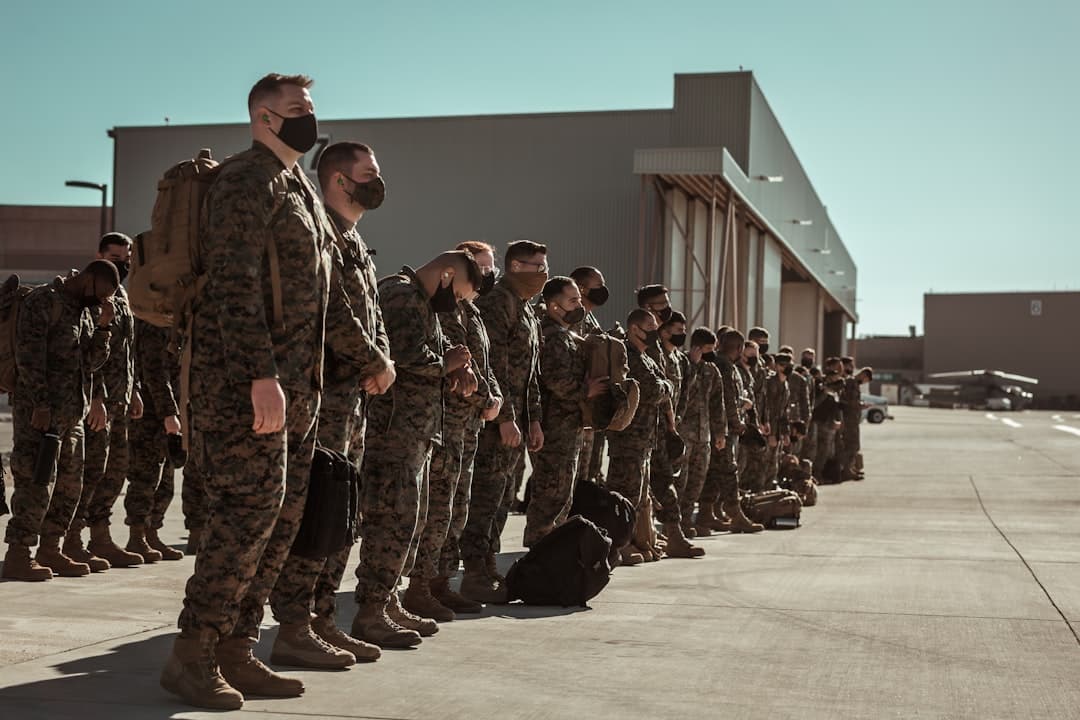
Understanding the Role of Athletic Trainers in Military Programs
Athletic trainers in military programs typically work a standard 40-hour, Monday-through-Friday schedule on military installations, with 11 federal holidays off per year. Compared to collegiate or high school athletic training roles that often require 50–60+ hour weeks with nights and weekends, military athletic trainer positions generally offer more predictable hours and stronger work-life balance.
If you have ever wondered whether a career in military healthcare as a certified athletic trainer means sacrificing personal time for mission demands, the answer may surprise you. The structure of government contracts, defined duty hours, and robust benefits packages create an environment where athletic trainer work-life balance in military settings often surpasses what the profession offers in traditional sports medicine roles.
What Do Athletic Trainers Do on Military Installations?
Athletic trainers working on military installations provide musculoskeletal injury prevention, physical performance optimization, and return-to-duty care for service members. Rather than treating game-day injuries on a sideline, your clinical focus centers on keeping warfighters operationally ready. Day-to-day responsibilities commonly include:
- Conducting movement screens and functional assessments
- Designing and supervising corrective exercise programs
- Providing acute injury evaluation and rehabilitation
- Educating service members on injury prevention strategies
- Collaborating with physicians, physical therapists, strength coaches, dietitians, and mental health professionals
This interdisciplinary model means you function as part of a performance team rather than as a solo practitioner covering multiple events — a structural difference that directly benefits your schedule.
Key Military Programs That Employ ATs (H2F, SMIP, Injury Prevention Programs)
Several major Defense programs have created dedicated athletic trainer positions:
- Army Holistic Health and Fitness (H2F): Since 2020, H2F has generated hundreds of new athletic trainer positions embedded within brigade combat teams. Each role features defined duty hours aligned to unit training schedules.
- Marine Corps Sports Medicine Injury Prevention (SMIP): SMIP embeds athletic trainers across Marine Corps installations to support Marine readiness and reduce preventable musculoskeletal injuries.
- Preservation of the Force and Family (POTFF): Operated by U.S. Special Operations Command, POTFF embeds athletic trainers within special operations units to support elite operator readiness.
Contractor vs. GS Employee vs. Active-Duty AT: Key Differences
Your employment classification significantly shapes your day-to-day experience:
| Factor | Government Contractor | GS (Federal Employee) | Active-Duty Military | |---|---|---|---| | Employer | Private company (e.g., PSI) | Department of Defense | Branch of service | | Schedule | Defined by contract (typically 40 hrs/wk) | Agency-determined (typically 40 hrs/wk) | Mission-driven; variable | | PCS Moves | Not required (voluntary relocation) | Possible but infrequent | Mandatory every 2–4 years | | Federal Holidays | 11 paid holidays (contract-dependent) | 11 paid holidays | Mission-dependent | | Benefits | Employer-provided (health, PTO, retirement) | FEHB, FERS, TSP | Tricare, military retirement | | Deployment | Rare for most contracts | Rare | Required as ordered |
Most athletic trainers entering military programs do so through government contracts. PSI is one of the leading providers of contract athletic trainers to military readiness and injury prevention programs, offering a structured pathway into this career setting.
PSI connects certified athletic trainers with meaningful careers in military healthcare. Through contracts supporting the Army's H2F program, the Marine Corps SMIP program, and other DoD initiatives, PSI provides the clinical infrastructure that helps keep service members mission-ready — while offering athletic trainers the schedule stability and benefits that support a sustainable career.
Typical Work Schedules for Military Athletic Trainers
Schedule predictability is one of the most significant quality-of-life advantages that military athletic trainer roles offer. Understanding how your hours are structured helps you make an informed career decision.
Standard Weekly Hours and Daily Routines
Federal contractors on military installations typically work a standard 40-hour week, most commonly Monday through Friday. A representative daily schedule might look like this:
- 0600–0700: Arrive on base; prepare treatment area and review the day's appointments
- 0700–0900: Morning sick call and walk-in injury evaluations (aligned with unit PT hours)
- 0900–1130: Scheduled rehabilitation sessions and corrective exercise programming
- 1130–1230: Lunch
- 1230–1500: Follow-up appointments, movement screenings, and interdisciplinary team meetings
- 1500–1600: Documentation, program planning, and administrative tasks
How Military AT Schedules Compare to Civilian Sports Settings
The contrast between military and traditional sports medicine schedules is stark:
| Schedule Factor | Military AT (Contractor) | Collegiate AT | Secondary School AT | Clinical/Outpatient AT | |---|---|---|---|---| | Avg. Weekly Hours | 40 | 50–60+ | 45–55 | 40–45 | | Weekends Required | Rarely | Most weekends in-season | Most Saturdays in-season | Occasional Saturdays | | Evening Hours | Rarely | 3–5 nights/week in-season | 3–5 nights/week in-season | Rarely | | Travel Required | Minimal to none | Regular team travel | Occasional | None | | Federal Holidays Off | 11 per year | Often working during holidays | Variable | Employer-dependent |
A 2021 Journal of Athletic Training study confirmed that athletic trainers in clinical and industrial settings reported better work-life balance than those in collegiate or secondary school settings. Military contract roles align closely with that clinical model.
Seasonal and Cycle-Based Workload Variations
Military athletic training workloads are not entirely static. Certain periods bring increased demand:
- Physical Fitness Test (PFT) Seasons: When units prepare for biannual fitness assessments, you may see a higher volume of overuse injuries and screening requests.
- Pre-Deployment Readiness Surges: Units preparing for deployment undergo intensified training. Injury prevention demands increase accordingly.
- Training Rotations: Large-scale field exercises (such as rotations at the National Training Center) can temporarily shift schedules and work locations.
These fluctuations are generally predictable, allowing you to plan personal commitments around known training cycles rather than reacting to a last-minute game schedule.
Weekend, Evening, and On-Call Expectations
One of the most frequently cited work-life balance advantages of military athletic training is the near-elimination of evening and weekend work. Military athletic trainers typically do not travel with teams for away competitions — because there are no away competitions. Service members train according to unit schedules that overwhelmingly occur during duty hours. While occasional early mornings (aligned with 0600 PT formations) are common, late nights are not.
On-call expectations vary by contract and installation but are far less common than in collegiate settings where an athletic trainer may be the sole medical provider for a traveling team.
Ready to Take the Next Step?
Join our team and make a meaningful impact on military readiness while advancing your athletic training career.
Explore H2F positions at Fort Bragg➜Benefits That Support Work-Life Balance in Military AT Roles
Compensation extends well beyond your base salary when you work as a contract athletic trainer on a military installation.
Federal Holidays and PTO Policies for Contractors
Military installations observe 11 federal holidays per year, and many DoD contractor positions include paid time off for all of them. Combined with standard PTO accrual (which varies by employer and tenure), you may have access to four or more weeks of annual leave — a meaningful advantage in a profession where time off can be difficult to secure during competitive seasons.
Healthcare, Retirement, and Insurance Benefits
Reputable contract employers provide comprehensive benefits packages that typically include:
- Medical, dental, and vision insurance
- 401(k) or equivalent retirement plans with employer matching
- Life insurance and disability coverage
- Continuing education allowances
- Professional liability insurance
The Bureau of Labor Statistics reports a median annual wage of $53,840 for athletic trainers (2023 data), but military-contracted athletic trainers often earn above that figure due to location differentials, specialized program funding, and the competitive nature of government contract compensation.
OCONUS Perks: Housing Allowances and Travel Opportunities
OCONUS (Outside Continental United States) athletic trainer positions carry additional financial and lifestyle incentives:
- Housing allowances that may cover your rent partially or fully
- Relocation assistance including travel reimbursement
- The opportunity to live abroad in locations such as Japan and Hawaii
PSI currently places athletic trainers at OCONUS locations in Japan. For athletic trainers who value travel and cultural experience, an OCONUS assignment can combine professional growth with personal enrichment in ways that few civilian roles can match.
Challenges to Work-Life Balance in Military Settings
No career path is without trade-offs. A realistic assessment of athletic trainer work-life balance in military programs requires acknowledging the challenges alongside the benefits.
Adapting to Military Culture and Operational Tempo
Military installations operate according to a chain of command and mission-first mentality that may feel unfamiliar if your experience is entirely in civilian healthcare or sports medicine. Adapting to military customs, communication styles, and organizational priorities requires patience and cultural humility. The operational tempo — the pace at which units train, deploy, and reset — can create periods of sustained intensity that affect your clinical caseload.
Relocation and PCS-Adjacent Moves for Contractors
While contract athletic trainers are not subject to mandatory Permanent Change of Station (PCS) orders, contract terms do have defined periods of performance. When a contract ends or is re-competed, you may need to decide whether to apply for a new position at a different installation. For some, this creates a sense of job uncertainty. For others, it represents an opportunity to explore new locations.
Emotional Demands of Working with Service Members
Caring for service members preparing for or returning from deployment carries an emotional weight that differs from treating a collegiate athlete's sprained ankle. You may work with individuals managing not only physical injuries but also the psychological toll of military service. This proximity to the human cost of readiness can be deeply rewarding, but it can also be emotionally taxing.
If you are considering a military athletic training role, take time to learn about the resilience resources available to you. Programs like Military OneSource, MFLC services, and Employee Assistance Programs (EAPs) offered through your contract employer provide confidential support that can help you process the unique emotional demands of military healthcare.
Managing Burnout in High-Performance Military Environments
The NATA's 2022 member survey found that 22% of athletic trainers reported symptoms of burnout. While military athletic training roles generally offer better schedule predictability than collegiate positions, burnout risk still exists — particularly during high-tempo training cycles or when working with understaffed teams. Proactive self-care and boundary-setting are not optional; they are professional necessities.
Real Perspectives: Day-in-the-Life of a Military AT
A Typical Day at a CONUS Army Installation
Picture a Tuesday at Fort Bragg, North Carolina. You arrive at the H2F performance center at 0630, review your schedule, and set up your treatment area. By 0700, soldiers begin filtering in after PT. You evaluate a soldier with a new knee complaint, provide follow-up rehabilitation for two others recovering from ankle injuries, and conduct a group movement screening for a platoon preparing for an upcoming field exercise. After lunch, you meet with the brigade's physical therapist and strength and conditioning coach to discuss return-to-duty protocols for three soldiers on modified profiles. By 1530, you complete your clinical documentation and leave base. The evening is yours.
What OCONUS Life Looks Like for Contract ATs
An athletic trainer stationed in Japan follows a similar clinical schedule but lives in a vastly different context. Weekends might involve exploring local culture, cuisine, and surrounding regions. Housing is covered by an allowance. The clinical work mirrors a CONUS assignment — injury prevention, rehabilitation, movement screening — but the after-hours experience offers a quality of life that few athletic training positions can replicate.
Insights from Military AT Practitioners
Athletic trainers who have transitioned from collegiate roles to military programs consistently cite three advantages: schedule predictability, interdisciplinary collaboration, and a sense of purpose connected to national service. The most common adjustment they report is learning to operate within the military's organizational structure and adapting their clinical communication style for a service member population that often underreports pain and overestimates readiness.
How Military AT Work-Life Balance Compares to Other AT Settings
Military vs. Collegiate Athletic Training
Collegiate athletic trainers regularly work 50–60+ hours per week during competitive seasons, including most evenings and weekends. Team travel is a standard expectation. Military athletic trainers work a defined 40-hour week with minimal weekend or evening obligations and almost no travel requirements. If schedule predictability is a priority, the military setting holds a clear advantage.
Military vs. Secondary School Athletic Training
Secondary school athletic trainers face similar evening and weekend demands during seasons, often with fewer institutional resources and support staff. Military programs embed athletic trainers within fully funded performance teams that include physicians, physical therapists, dietitians, and mental health professionals — a collaborative model that distributes clinical responsibility and reduces individual burden.
Military vs. Clinical/Outpatient Rehabilitation Settings
The military contract model most closely resembles a clinical or outpatient rehabilitation schedule: consistent weekday hours with limited after-hours demands. The key differentiator is population. Rather than treating a general patient population, you work exclusively with service members focused on operational readiness — a specialization that many athletic trainers find uniquely motivating.
Ready to Take the Next Step?
Join our team and make a meaningful impact on military readiness while advancing your athletic training career.
Explore H2F positions at Joint Base Lewis-McChord➜Tips for Maintaining Work-Life Balance as a Military Athletic Trainer
Setting Boundaries in a Mission-Driven Environment
Military culture values commitment and sacrifice. As a healthcare provider embedded in that culture, you may feel pressure to extend your hours or take on responsibilities beyond your scope. Clearly defining your clinical role, communicating your schedule to unit leadership, and working with your contract supervisor to manage expectations are essential practices. Sustainable care for service members depends on sustainable work habits.
During your first week at a new installation, schedule introductory meetings with unit leadership to establish your clinical hours, scope of practice, and appointment scheduling process. Setting these expectations early prevents scope creep and protects your personal time throughout the contract.
Leveraging Military Wellness and Resilience Resources
Take advantage of the resilience infrastructure available on military installations. Fitness centers, outdoor recreation programs, and community events through MWR are available at most bases. MFLC services provide confidential counseling at no cost. Your contract employer may also offer an Employee Assistance Program with additional mental health support. Using these resources is not a sign of struggle — it is a professional best practice in a demanding field.
Building a Support Network On and Off Base
Geographic relocation is part of many military athletic training careers. Building a local support network quickly improves your quality of life. Connect with other healthcare professionals in your performance team, participate in on-base community events, and stay engaged with professional organizations like the NATA. If you relocate with a partner or family, explore family support groups and spousal employment resources available on the installation.
Is a Military AT Career Right for You?
Who Thrives in Military Athletic Training Roles
Military athletic training positions tend to be the best fit for certified athletic trainers who:
- Value schedule predictability and a clear separation between work and personal time
- Are motivated by service-oriented work and the military's mission
- Adapt well to structured environments and hierarchical organizations
- Enjoy interdisciplinary collaboration across clinical specialties
- Are open to relocation, including potential OCONUS assignments
- Want to specialize in injury prevention and physical performance optimization
Questions to Ask During the Interview Process
Before accepting a position, ask these questions to assess whether the role aligns with your work-life balance expectations:
- What are the standard duty hours, and how often do they vary?
- What does the seasonal workload look like across the training cycle?
- Is weekend or evening work ever required, and if so, how often?
- What PTO and federal holiday policies apply to this contract?
- Are OCONUS assignments available, and what additional benefits do they include?
- What mental health and resilience resources are available to contract employees?
- How is the interdisciplinary team structured, and what is the athletic trainer's defined scope within it?
How to Apply for Military AT Positions with PSI
PSI partners with the Department of Defense to place certified athletic trainers in H2F, SMIP, injury prevention, and readiness programs across Army and Marine Corps installations in the continental United States and overseas. Positions require BOC certification, state licensure (where applicable), and a commitment to supporting service member readiness within a collaborative healthcare model. You can explore current openings and learn more about the application process through PSI's career portal.
Frequently Asked Questions
Ready to Serve? Start Your Military Healthcare Career
Join our team and make a difference serving in Army H2F and Marine Corps SMIP programs across the United States.
Apply Now➜